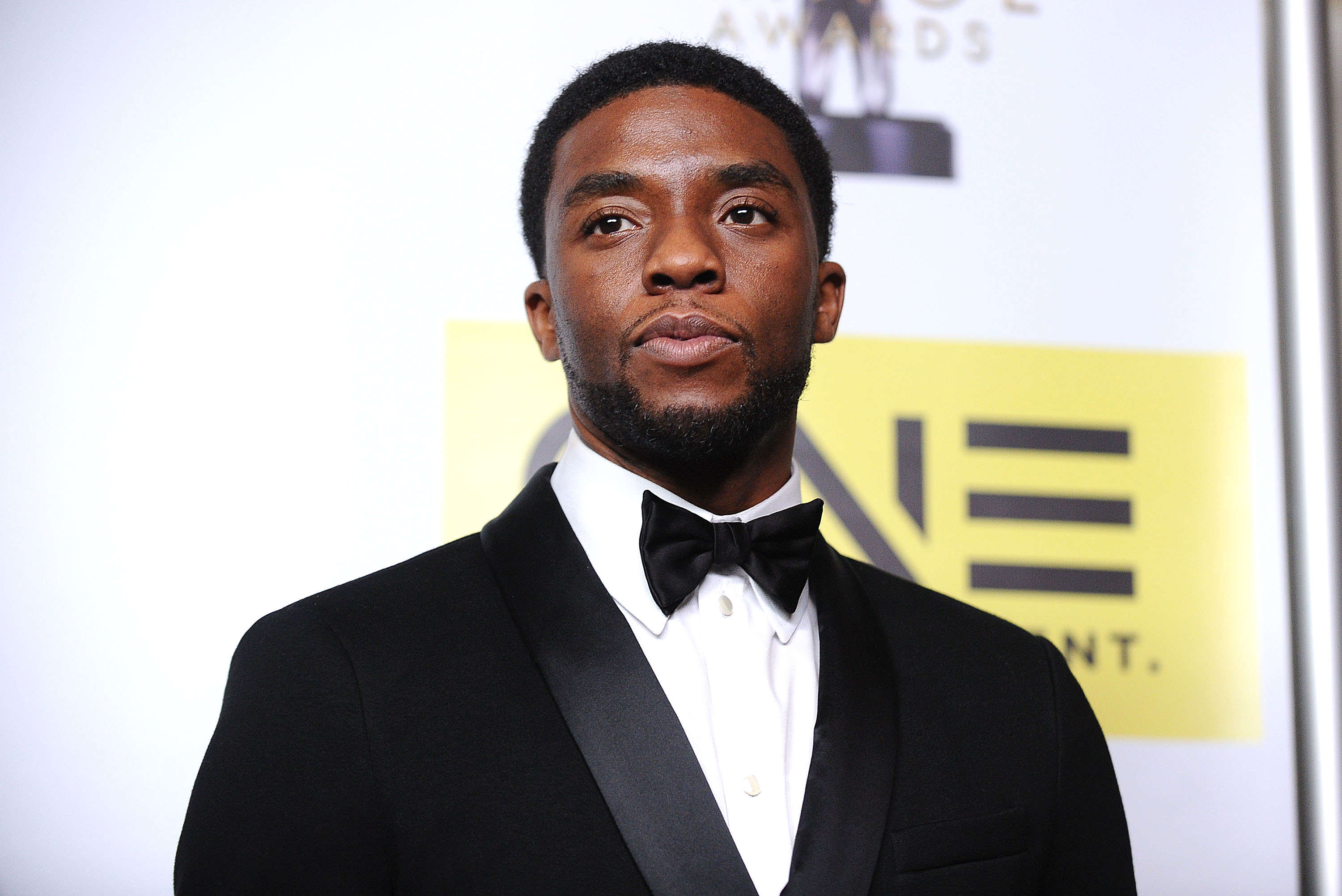
Chadwick Boseman
Genius is found in the late, great Chadwick Boseman's makeup. He lived a life filled with excellence, promise, and compassion. He formed friends for life when he encountered the actors and actresses of the film Black Panther, like Michael B. Jordan, Lupita Nyong'o, Letitia Wright, Winston Duke, Angela Bassett, Daniel Kaluuya, Forest Whitaker, Ryan Coogler, etc. He had massive strength. His life story proved that strength is never about brutality or reckless actions. Truthfully, strength is about a silent confidence and doing diligent, consistent action to help others. He gave a voice to tons of men, especially black men in outlining that message that you must get tested for diseases like colon cancer, prostate cancer, etc. Cancer and other diseases are killing so many men and women at such young ages unfortunately at many circumstances. Boseman was an expert actor who worked in plays constantly. He mastered the art of showing biographical stories via film. He portrayed numerous black icons like Jackie Robinson, James Brown, and the Supreme Court Justice Thurgood Marshall. He had great mentors like Denzel Washington, who funded Boseman's trip to the British American Drama Academy Summer program in 1998. His other mentors are Phylicia Rashad (she was a mentor to him at Harvard, driving him home from plays, and she pushed for his artistic growth), Howard University professor Mike Malone, and Wayne A. I. Frederick. Chadwick Boseman was one of the greatest actors of the 21st century whose gift always motivated us to be our best selves prodigiously.
Early Life
Chadwick Boseman was born on November 29, 1976, in Anderson, South Carolina. He grew up in Anderson too. His mother, Carolyn, was a nurse. His father, Leroy, worked at a textile factory and managed an upholstery business. During his youth, Boseman studied martial arts and continued his training as an adult. He wanted to be an architect when he was a child. According to Boseman, his DNA testing indicated that some of his ancestors were the Jola people from Guinea-Bissau, Krio people, and Limba people (from Sierra Leone and Yoruba people from Nigeria). Boseman graduated from T. L. Hanna High School in 1995, where he played on the basketball team. In his junior year, he wrote his first play, Crossroads, and staged it at the school after a classmate was shot and killed. He competed in Speech and Debate in the National Speech and Debate Association at T. L. Hanna. He placed eighth in Original Oratory at the 1995 National Tournament.

Education
He was recruited to play basketball at college but chose the arts instead, attending college at Howard University in Washington, D.C., and graduating in 2000 with a Bachelor of Fine Arts in directing. While at Howard, he worked in an African American–oriented bookstore near the university, which friend Vanessa German said was important and inspirational to him; he drew on his experience there for his play Hieroglyphic Graffiti. His teachers at Howard included Al Freeman Jr. and Phylicia Rashad, who became a mentor. Rashad helped raise funds, notably from her friend and prominent actor Denzel Washington, so that Boseman and other classmates could attend the Oxford Summer Program of the British American Drama Academy at Balliol College, Oxford, in England, to which they had been accepted. Boseman wanted to write and direct, and initially began studying acting to learn how to relate to actors. He attended the program in 1998, and he developed an appreciation for the playwriting of William Shakespeare; additionally, he studied the works of various dramatists, including Samuel Beckett and Harold Pinter. He also traveled to Africa for the first time while at college, working in Ghana with his professor Mike Malone "to preserve and celebrate rituals with performances on a proscenium stage"; he said it was "one of the most significant learning experiences of [his] life." After he returned to the U.S., he took additional course work in film studies, graduating from New York City's Digital Film Academy. Boseman lived in Brooklyn, New York City, at the start of his career. In 2000, he was named a Drama League Directing Fellow. He directed productions including George C. Wolfe's The Colored Museum (Wolfe would later direct Boseman in his final role) and a staging of Amiri Baraka's Dutchman. He worked as the drama instructor in the Schomburg Junior Scholars Program, housed at the Schomburg Center for Research in Black Culture in Harlem between 2002 and 2009.
He rose to prominence as a playwright and stage actor in 2002, performing in multiple productions and winning an AUDELCO award in 2002 for his part in Ron Milner's Urban Transitions. As a member of the National Shakespeare Company of New York, he played Romeo in Romeo and Juliet and Malcolm in Macbeth. He directed and wrote plays as part of the Hip-hop theater movement; his works included Rhyme Deferred (co-written with Howard classmate Kamilah Forbes), in which he also performed, and Hieroglyphic Graffiti. Rhyme Deferred was commissioned for a national tour, as well as featuring in The Fire This Time anthology of works, while Hieroglyphic Graffiti was produced at a variety of locations, including the National Black Theatre Festival in 2001. Combining modern African-American culture and Egyptian deities, it is set in Washington, D.C., and was picked up by the New York Hip-Hop Theatre Festival and Tennessee State University's summer stock theatre program in 2002. It was also the Kuntu Repertory Theatre's 2002–03 season launch production. At the 2002 Hip-Hop Theatre Festival, Boseman also gave a one-man show called "Red Clay and Carved Concrete."

Early Roles
In 2003, Boseman was cast in his first television role, an episode of Third Watch, and began playing Reggie Montgomery in the daytime soap opera All My Children. He was fired from All My Children after voicing concerns to producers about racist stereotypes in the script; the role was subsequently re-cast, with Boseman's future Black Panther co-star Michael B. Jordan taking the part. Boseman had wanted to work around the stereotypes of the character, feeling that being in a soap opera would give him more room for improvisation as the writers often do not initially plan a full story; his (then-future) agent said that when Boseman was given the second script and learned that his character's parents were a drug addict and an absent father, Boseman confronted the creators. He reflected on the experience in his 2018 commencement address to Howard University, saying that it "seemed to be wrapped up in assumptions about us as black folks [and he] would have to make something out of nothing." His other early television work included episodes of the series Law & Order, Cold Case, CSI: NY, and ER.
Boseman's best-known play, Deep Azure, was commissioned in 2004 by the Congo Square Theatre Company in Chicago. It was nominated for a 2006 Jeff Award for Best New Work. Boseman said at the time that Deep Azure was "a fusion and progression of [his] previous plays", which he did not feel fit wholly in the Hip Hop theater genre. The play – about police brutality, a daring subject in 2004, and largely delivered in rhyme – was workshopped at the Apollo Theater in New York. Drama critic Chris Jones in the Chicago Tribune highly praised the work. In 2008, Boseman turned Deep Azure into a screenplay. Michael Greene, who would become his agent, picked it up and contacted Boseman when Tessa Thompson and Omari Hardwick expressed an interest in playing the lead roles, prompting Boseman's move to Los Angeles. He also directed, wrote, and produced the short film Blood Over a Broken Pawn in 2007, which was honored at the 2008 Hollywood Black Film Festival.
In 2008, Chadwick Boseman moved to Los Angeles to pursue his film and acting career. He had a recurring role on the television role of Lincoln Heights as Nathaniel Ray Taylor, an army veteran with PTSD who was later revealed to be the son of the main character before re-enlisting. He also appeared in his first feature film in 2008, The Express: The Ernie Davis Story, as running back Floyd Little. He landed his first regular role in the 2010 television series Persons Unknown as the Marine Graham McNauire. In July 2013, Boseman's 2nd short film as director was Heaven. It premiered at the HollyShorts Film Festival. Boseman's breakthrough role existed in 2013, which he portrayed the lead role of the baseball icon Jackie Robinton. The film is called 42. Boseman had been directing an off-Broadway play in the East Village when he auditioned for the role and was considering giving up acting to pursue directing full-time. About twenty-five other actors had been seriously considered for the role, but director Brian Helgeland liked Boseman's bravery in choosing to read the most difficult scene, in which Robinson goes down a stadium tunnel and breaks a bat in anger, and cast him after he had auditioned twice. Part of the audition process involved playing baseball; Boseman had been involved with Little League as a child but was primarily a basketball player growing up, saying that in this part the casting directors likely noticed his athleticism rather than specifically baseball skills. Robinson's widow, Rachel Robinson, commented that Boseman's performance was like seeing her husband again. To replicate Robinson's mannerisms, Boseman trained for five months with professional baseball coaches who "would tape [his] practices every few weeks, and they would basically split-screen [his technique] with [Robinson's]" to allow him to compare. After having portrayed football player Little in The Express, Boseman was encouraged by stunt coordinator Allan Graf to approach running bases in the same way, as Robinson had also been a college football player. Upon taking the role, Boseman first spoke with Rachel Robinson, which he said was of great help in discovering the character. The same year, Boseman also starred in the independent film The Kill Hole, which was released in theaters a few weeks before 42.


Critics, even those who viewed the film negatively, felt that Boseman's being a relatively unknown actor was a benefit when playing an icon and an athlete; Mick LaSalle of San Francisco Chronicle wrote that "as [...] played by Chadwick Boseman, Robinson is a hero we can recognize", and Mary Pols for Time said that "Boseman is not a hugely close physical match to Robinson, except for perhaps in the power he conveys, but he's a great choice to play the ball player." The Guardian's Mike McCahill noted that "Boseman hits his key scenes out of the park", but felt the film would not interest people who are not baseball fans, with Dana Stevens of Slate suggesting that the film made black history "squeaky-clean" and did both Robinson and Boseman's performance as him a disservice. I completely disagree with these critics as the film 42 was outstanding and didn't sugarcoat the racism back then.
In 2014, Boseman starred in another sporting film, Draft Day, as fictional football player Vontae Mack. He had workshopped the Tupac Shakur jukebox musical Holler If Ya Hear Me in 2013, but did not continue to Broadway with it in order to take the role of James Brown in 2014's Get on Up. As Brown, Boseman did some singing and all of his own dancing, working with choreographer Aakomon Jones for five to eight hours a day over two months in preparation. Producer Mick Jagger also directed him on interacting with audiences when performing live music. He had not wanted to take a role in another biopic so soon after playing an icon in Robinson, saying he "wasn't looking to do it again for another 15, 20 years", but was sought out as director Tate Taylor's only choice. Co-star Dan Aykroyd, who had known Brown, praised Boseman's performance, saying that it was neither replication nor impression and that he "did not have to squint sitting across from [Boseman] to imagine that [he] was talking to [Brown]." Boseman also stayed in character between filming on set; Taylor said this was not a method acting approach, and more a necessity due to Boseman's holding his vocal cords unnaturally to imitate Brown's southern drawl.
His performance was praised as the highlight of a generally well received movie, with the Rotten Tomatoes critical consensus reading: "With an unforgettable Chadwick Boseman in the starring role, Get On Up offers the Godfather of Soul a fittingly dynamic homage." Among the critics was Time's Richard Corliss (hyperbolically) saying that Boseman "deserves a Pulitzer, a Nobel and instant election to the Rock and Roll Hall of Fame." Eulogizing Boseman, Donald Clarke of The Irish Times said that "Get on Up tested every weapon in the actor's arsenal [and his] performance confirmed that, like a star from Hollywood's golden age, Chadwick Boseman could do it all and do it all with style."
Boseman had sold a thriller screenplay to Universal Pictures in 2014, which he continued to collaborate on with creative partner Logan Coles and planned to star in, and told The Guardian that he still wanted to be a director but would explore his acting career first, adding that "maybe it'll be easier if you're a successful actor." In 2016, he starred as Thoth, a deity from Egyptian mythology, in Gods of Egypt. Boseman was one of the few actors of color featured in the film, which had drawn criticism for using a predominantly white cast to portray Egyptian characters. Agreeing with the criticism, Boseman said this had motivated him to accept the role, to ensure one of the film's African characters would be played by someone of African descent. Boseman's own casting was criticized for falling under the "Magical Negro" stereotype. The Independent reported that Boseman shook his head while telling GQ in an interview that "people don't make $140 million movies starring black and brown people." It was his first largely CGI film, and he expressed that he preferred acting alongside people than with blue screens and prop stand-ins. The film was heavily criticized; Jordan Hoffman for The Guardian said that it lacks story or interesting characters, but "Boseman makes for nice comic relief as the witty Thoth", with Will Leitch of The New Republic saying that his then-upcoming Marvel Studios role may have to work "to make you forget he was ever in this movie." Perri Nemiroff for Collider said that Boseman shines as "the only cast member who really seems to understand the movie he's in."

Black Panther
In 2016, Boseman began portraying the Marvel Comics character T'Challa / Black Panther in the Marvel Cinematic Universe. Captain America: Civil War was his first film in a five-picture deal with Marvel Entertainment. He did not audition for the role, instead having a "discussion about what [Marvel] wanted to do and how [he] saw it and what [he] wanted to do." While working on Civil War, Boseman learned some Xhosa from John Kani, who played his father, and insisted on using the language for the character. Boseman also developed a Wakandan accent himself, and used it during the entire production "whether he was on camera or not." When asked by journalist Ryan Gilbey if he felt pressure not to "screw up" the beloved comics character, Boseman responded by saying: "It's more positive than that. It's more like: 'Seize it. Enjoy it.'" He told the Associated Press, though, that he more identified with the Black Panther's nemesis, Killmonger, knowing that his roots to his African past had been severed. Producer Kevin Feige explained that the Black Panther was included in Civil War "because [they] needed a third party. [It] needed fresh eyes [of a character] who wasn't embedded with the Avengers and who has a very different point of view than either Tony or Steve." Boseman's performance in Civil War was highly praised, though critics acknowledged the character's inclusion was largely to set up his upcoming headlining movie.
Boseman returned as the Black Panther in Black Panther (2018), directed by Ryan Coogler, which focused on the character and his home country of Wakanda in Africa. The film opened to great anticipation, becoming one of the highest-grossing films. The role earned Boseman a spot on the 2018 Time 100 as one of the world's most influential people, with Sean Combs writing his entry. It is seen as a landmark in being the first mega-budget movie to have a predominantly black cast and director, as well as the first superhero film to be nominated for an Academy Award for Best Picture. The film received universal acclaim and Boseman was praised; Matthew Norman for the Evening Standard said that he "brings a measure of sub-Shakespearean gravitas to T'Challa's struggle to bear the weight of his crown"; Richard Lawson and Sight & Sound's Kelli Weston also noted the strength of gravitas Boseman gave to the performance. Weston added that he, "despite having the more thankless role [out of T'Challa and Killmonger], carries the film with a quiet dignity one might rightfully expect of a man raised to be king." Todd McCarthy and The Village Voice's Kristen Yoonsoo Kim saw that while Boseman played his serious character well, the cast was full of charismatic scene stealers. Peter Travers gave much praise to Boseman as the lead and said that he "digs so deep into T'Challa that you can feel his nerve endings"; LaSalle wrote that "Boseman commands every moment of this film, radiating probity and purpose, and it's only later on that you realize that, with another actor, this wouldn't have been a sure thing."
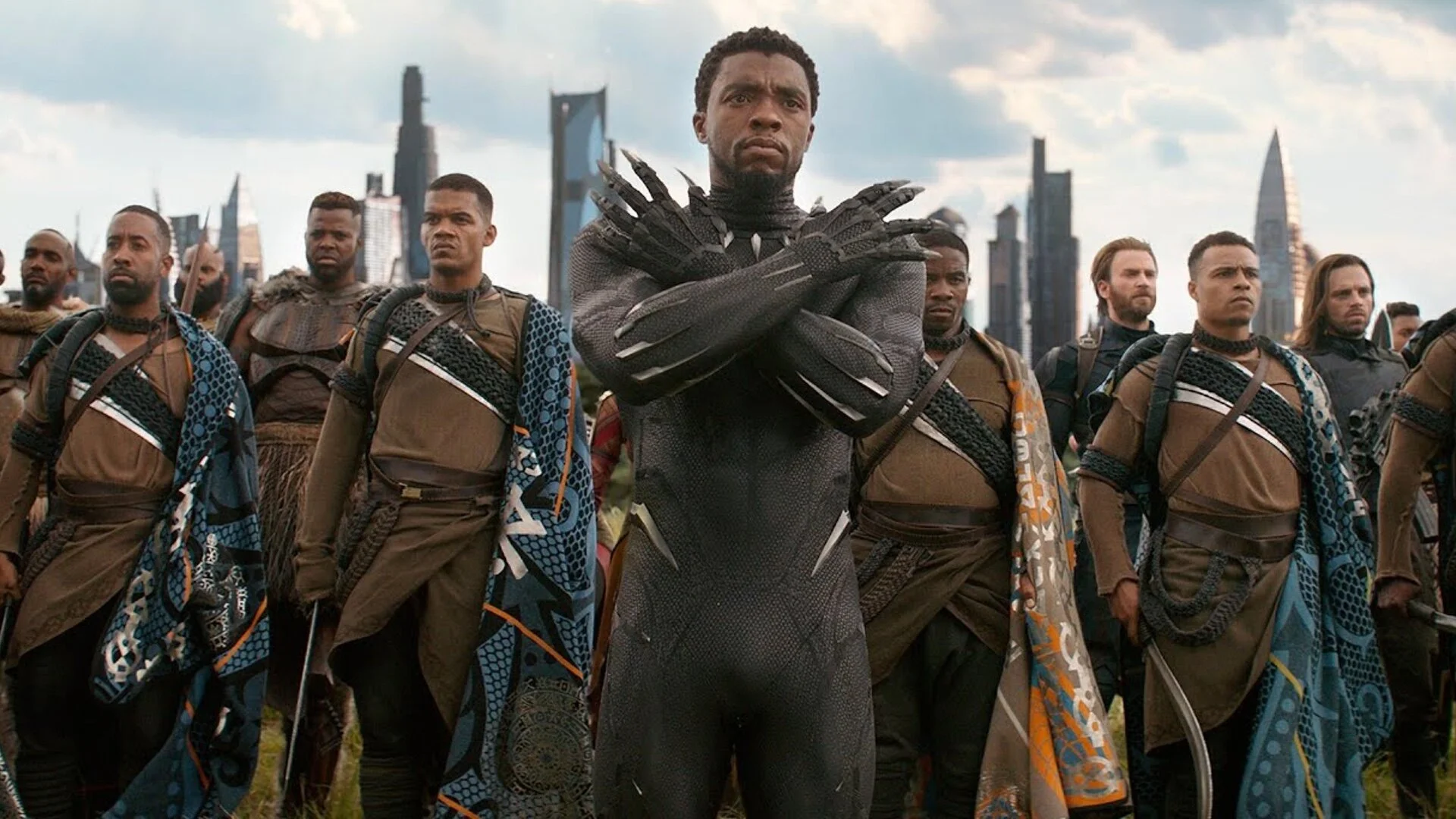
He reprised the role in both Avengers: Infinity War and Avengers: Endgame, which were released in 2018 and 2019, respectively. Both films were the highest grossing of the year they were released, with Endgame going on to become the highest-grossing film of all time. Infinity War was filmed at the same time as Black Panther, and Boseman and other actors playing Wakandan characters improvised chanting scenes in the former that originated in the latter. Boseman's last physical appearance as Black Panther was in Endgame, at Tony Stark's funeral; he voiced alternate versions of T'Challa in the 2021 Disney+ animated series What If...?.

Future Roles
Boseman portrayed Thurgood Marshall in the biographical film Marshall in 2017. Set years before he became the first African American Supreme Court Justice, the movie focuses on one of Marshall's early cases, the trial of Joseph Spell. It was premiered at Howard University, which both Boseman and Marshall had attended. Boseman was still worried about being put into a "biopic box", and felt that he didn't look enough like the real Marshall, but took the role because he enjoyed the script "separate from the historical relevance"; he had expected big courtroom speeches but found that in the case Marshall was silenced by the judge and had to mentor white co-counsel Sam Friedman (Josh Gad) to take on his first criminal case. He told The New York Times that he liked this element of the story because "it doesn't allow you as an audience member, no matter what color you are, to hide from the issues". Boseman researched Marshall extensively before portraying him, as well as studying videos of him speaking and losing muscle to reflect the younger Marshall's wiry frame. The film opened to an average critical reception, though Boseman's performance was praised. However, Vulture criticized his casting, noting that, unlike Boseman, "the real-life Marshall was a light-skinned man, and his place on the color spectrum undoubtedly influenced how he became such a legend." Boseman had been concerned about their differences before taking the role, but was convinced by the director and producer that as the film was telling an insular story it did not matter as much.
In 2019, he starred in 21 Bridges, an American action thriller film directed by Brian Kirk, as an NYPD detective who shuts down the eponymous twenty-one bridges of Manhattan to find two suspected cop killers. He was approached to work on the film by two of its producers, Avengers directors the Russo brothers, at the Infinity War premiere. While 21 Bridges was filming, the Russos and Boseman were working on Endgame. Boseman was also a producer on 21 Bridges, something he said was made clear to him in his early conversations with the production team; the three producers are given a nod in one of the film's opening lines, when a character is described as an "avenger." All of the film's characters were originally conceived as male and white, with Boseman encouraging amendments to this and other parts of the story. In his capacity as a producer, Boseman sought out Sienna Miller to be his co-star; Miller, who was intending to take a break from acting while her daughter was young, asked for a salary that the studio would not meet, and so Boseman donated the rest from his own pay. He also personally called Stephan James to ask him to play one of the criminals Boseman's detective is hunting; the two actors had been planning to work more together after the film. Boseman said that he and Coles "fought for casting and for actors that brought particular sensibilities and feelings."
As an actor, Boseman developed his character by going on calls with the NYPD and LAPD, which he said influenced the writing after he fed back his experiences, and learning how to fire blanks and handle a gun with a police weapons specialist. While the film received mixed reviews, the cast was praised; Clarisse Loughrey of The Independent wrote that the film was indelicate in its storytelling, but that Boseman "finds a surprising amount to work with in such a basic, stock character", while the Los Angeles Times said that "Chadwick Boseman and thin characters cannot keep 21 Bridges from collapsing." Glenn Kenny of RogerEbert.com was more positive towards the film, writing that "it's no small feat to tie up an intelligent action thriller with such assuredness" and that "Boseman [...] does a lot of running and driving and gun-pointing and car-hood slamming here, but his character also does a lot of thinking – and a lot of maneuvering."
In 2019, Boseman was announced as part of the cast for the Netflix films Da 5 Bloods, directed by Spike Lee, and Ma Rainey's Black Bottom, directed by George C. Wolfe. He took these "bucket-list roles" for opportunities to work with Lee and with Ma Rainey producer Denzel Washington, as well as the opportunity to perform in an August Wilson play, telling Entertainment Weekly that he wanted to make these non-superhero films because "if you don't do the films that you plan to do, I think you wouldn't feel fulfilled as an artist." He was also cast in a film telling the story of Yasuke, the only non-Asian samurai and the first black man in Japan, which he was set to co-produce; Boseman said: "[the story is] not just an action movie, [it is] a cultural event, an exchange, and I am excited to be part of it." Time included Boseman on their list of the 10 Best Movie Performances of 2020, for both Da 5 Bloods and Ma Rainey; for Ma Rainey, Boseman received posthumous nominations in the Best Actor category at the Academy Awards, Actor Awards, British Academy Film Awards, and Golden Globe Awards , becoming the eighth person (and seventh man) to receive a posthumous Academy Award acting nomination.
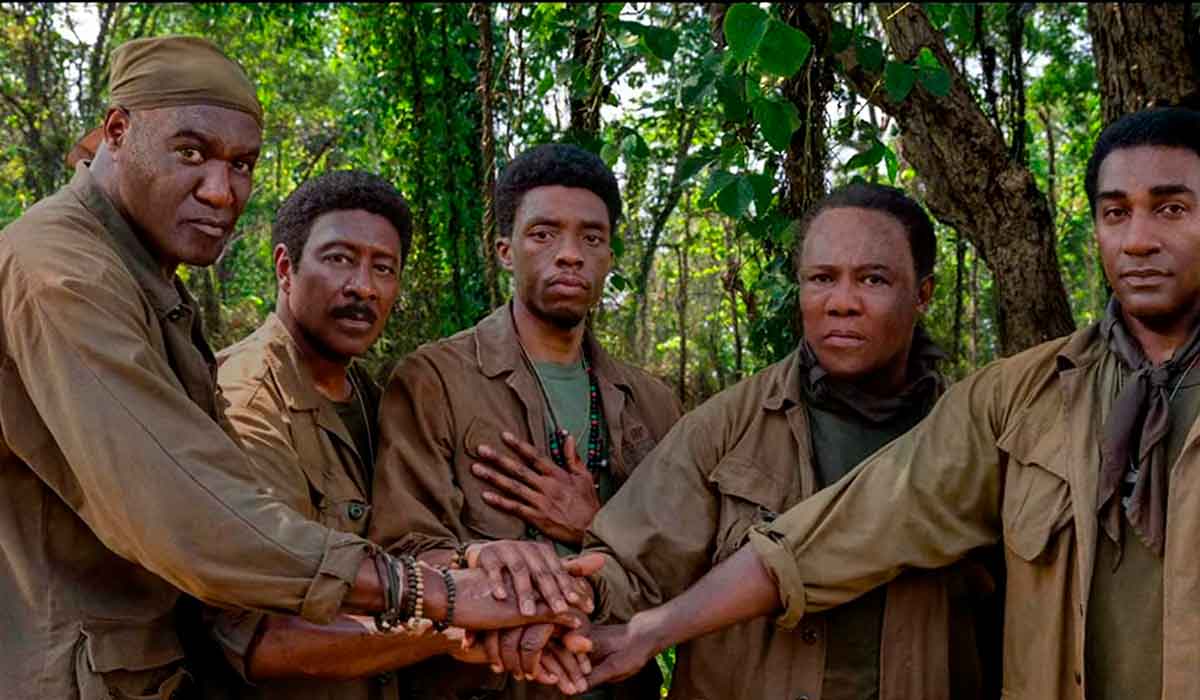
Da 5 Bloods was released on June 12, 2020. Lee, in choosing Boseman for the divine-like character of Stormin' Norman, said: "This character is heroic; he's a superhero. Who do we cast? We cast Jackie Robinson, James Brown, Thurgood Marshall, and we cast T'Challa." Reception of his character was mostly positive; for the Associated Press, Jocelyn Noveck wrote that Boseman played Norman "with movie-star charisma and classic war-movie grit", and Empire's Kambole Campbell said his performance had "regal charisma", while Chuck Bowen of Slant said that he "has a hauntingly gaunt presence, but he's already played too many saints." The A.V. Club's Ashley Ray-Harris felt the lack of digital de-aging for the other characters was unsuccessful in its aims and that "Lee's script doesn't give Boseman much to do outside of this confused, Christ-like characterization and never exposes Norman's own naïveté." Conversely, Peter Bradshaw of The Guardian saw it as a reflection that "[he] has grown not old as those that are left grew old", and a way to show how Norman has been romanticized in his comrades' memories; Odie Henderson of RogerEbert.com had a similar view and said that Boseman was "a perfect casting move", with the actor already carrying such a mythical status in black culture that he does not need to do much to be a believable mythical black icon as Norman.
The film Ma Rainey's Black Bottom, in which Boseman co-stars as trumpeter Levee, was released after the actor's death in 2020. Director Wolfe said that Boseman was excited by the role for the challenge it posed, saying that "it's a monster role and it's a thrilling role, it's a difficult role. All of those things are exhilarating for an actor. And [Boseman] rose to the occasion and more than delivered." The film is based on the August Wilson play of the same name; Boseman was a fan of Wilson and wrote about him and his inspiration on Boseman's own work in a 2013 essay for the Los Angeles Times. According to Chris Jones, Boseman's Levee is "an astonishing, revelatory performance and formidably distinct from the numerous interpretations seen on the stage"; A. O. Scott of The New York Times similarly opined that "it will be hard, from now on, to imagine [...] a Levee to compare with Boseman." Angelica Jade Bastién for Vulture wrote at length on Boseman's performance, saying that "many of the important turns in the film hinge on Boseman's presence at the center. [...] In the first of his lachrymose monologues, Boseman is called to embody [anger and] gives the scene his all." Charlotte O'Sullivan of the Evening Standard said Boseman was brave to take on a "more curdled" role than the heroic leaders he is best known for, and that "as skillful as he was talented, [he] hits the right notes, all the time." Clarisse Loughrey wrote that it was the actor's finest performance and is "delivered with such grace that there's a sense he had another hundred performances like it still in him."
In 2022, Boseman posthumously won the Primetime Emmy Award for Outstanding Character Voice-Over Performance for the What If...? episode "What If... T'Challa Became a Star-Lord?" at the 74th Primetime Emmy Awards.
His Passing
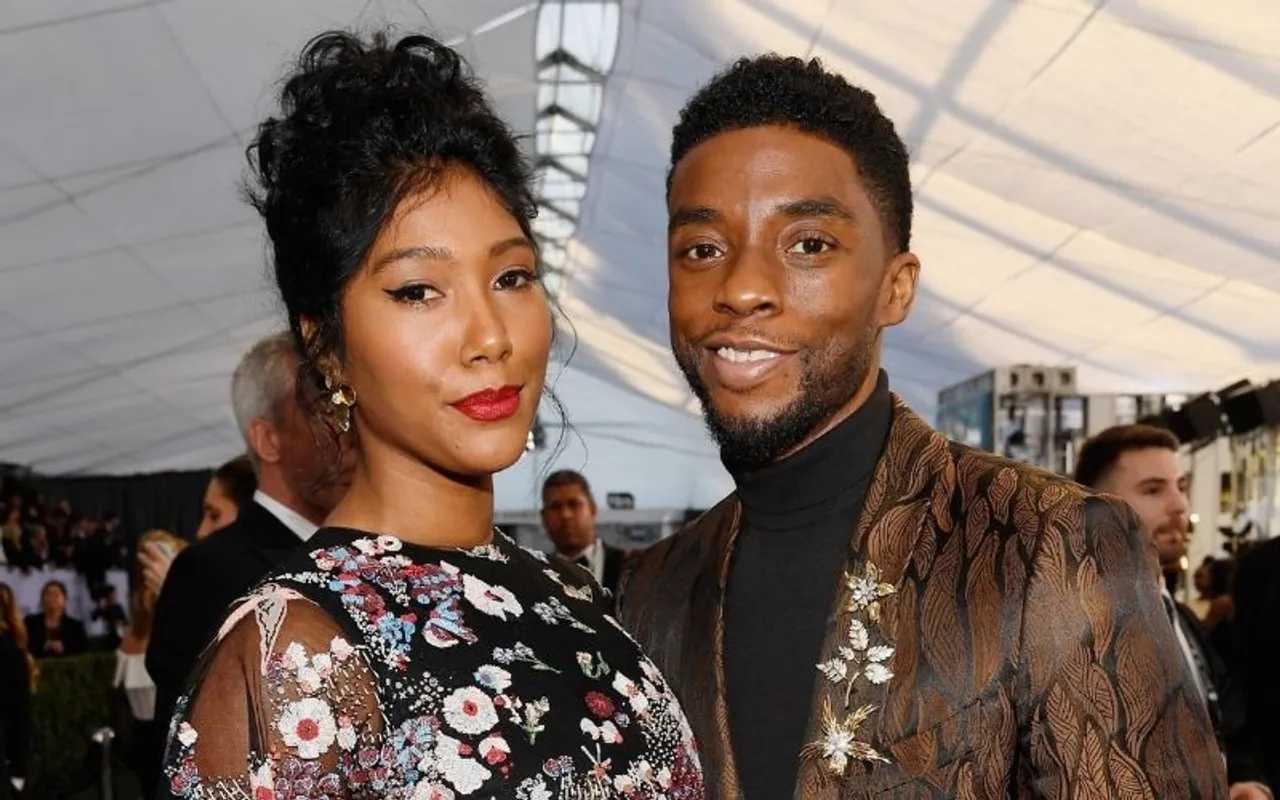
Chadwick Boseman was diagnosed with stage III colon cancer in 2016. It progressed to stage IV before 2020. Back then, many people didn't know that he had it except a small number of non-family members. During treatment, he had multiple surgeries and chemotherapy. He continued to work and completed production of many films like Marshall, Da 5 Bloods, Ma Rainey's Black Bottom, and others. Chadwick Boseman passed away at his Los Angeles home as a result related to colon cancer on August 28, 2020, with his wife and his family by his side. He was just 43 years old when he passed away. He died intestate, and his estate was governed by California law with the representation of Ledward, his widow. A public memorial service was held on September 4, 2020, in Anderson, South Carolina. Speakers included Boseman's childhood pastor as well as Deanna Brown-Thomas, daughter of James Brown, whom Boseman portrayed in Get on Up. The city announced plans for the creation of a permanent art memorial at the service. Many fellow actors, fellow actresses, and other celebrities paid tribute to Chadwick Boseman on social media following the announcement of his death. They included his Marvel Cinematic Universe co-stars. His alma mater, Howard University, celebrated his life as him experiencing a personal journey from student to superhero. His death was in the same year as other celebrities' passings like Kobe Bryant and Naya Rivera. Major League Baseball and the Los Angeles Dodgers, the franchise for which Jackie Robinson played when the team was its former home of Brooklyn, New York, issued statements honoring Boseman (in light of his acclaimed portrayal of the iconic baseball and civil rights activist Jackie Robinson). When Lewis Hamilton claimed pole position in qualifying at the 2020 Belgian Grand Prix, he dedicated his lap to Boseman, as well as his race win the following day. Henry McMaster, the Governor of South Carolina, ordered the Statehouse flags to be lowered to half-staff on August 30, 2020 in honor of Boseman. Ryan Coogler, Danai Gurira, Letitia Wright, and Michael B. Jordan all played tribute to Boseman (including in the film Black Panther: Wakanda Forever which was released in 2022. Chadwick Boseman at a young age was an icon of acting being one of the greatest actors of the 21st century.
An Important Health Call
Chadwick Boseman's life document the necessity for all of us to take care of our health, especially black men. Black men in America disproportionately are harmed by colon cancer and prostate cancer. Symptoms of colon cancer (as explained by Dr. Frita McRae Fisher. She is a medical doctor who is quadruple board certified. She has board certifications in nephrology, internal medicine, and obesity medicine) include fever, fatigue, loss of appetite, abdominal pain, unexplained weight loss, blood in stool, diarrhea, constipation, no symptoms at all early on, etc. Many men are afraid of going to the doctor because of fear, stigma, and ego. Yet, going to the doctor is a necessity among us all of any age. All people among all backgrounds have to know their biometrics in order to find out if they have illnesses or not. Early detection has saved lives for generations. According to a report from the American Cancer Society, black people have the highest rates of colorectal cancer of any racial or ethnic group in America. Incidence rates for black men are 24 percent higher than white men, while death rates for black men are 47 percent higher than white men. The reason for these risk factors are diet, environment, stress, genetics, not enough people getting regular colon cancer screening. That is why many men, especially black men, are tested for colon cancer and prostate cancer as early as their early to mid 40s. In our generation, all people are encouraged to get screened for colon cancer and prostate cancer at the age of 45. Black people, regardless of sex, are more likely to have colon cancer at the age of 50.

Epilogue
Chadwick Boseman only lived for 42 years on this Earth, but his legacy is very extensive in the world. He was born in the South Anderson, South Carolina. He lived in Los Angeles just before his passing. He was one of the biggest what ifs in our history. If he kept on doing what he was doing, he was destined for achieving more greatness. He was already one of the greatest actors of our generation playing in some of the most iconic movies of the 21st century. He loved to study directing at the HBCU at Howard University. He was an expert theater actor and was funded by Denzel Washington to pursue his career. We know him for playing biographical roles like him portraying Jackie Robinson in the film 42 in 2013, the role of James Brown in Get on Up in 2014, and playing Thurgood Marshall in the film Marshall back in 2017. Also, he had international fame in playing the Marvel Comics superhero T'Challa (i.e. Black Panther) in the film Black Panther in 2018 plus other MCU films. Boseman was the first black actor to headline an MCU film. He allowed more people to realize that people must be tested for colon cancer, especially black men. Colon cancer can happen to people in their 30s or 40s even, and all people must be tested in dealing with our health. His final film role was the drama Ma Rainey's Black Bottom which was released in 2020. As a young man, he faced many events. Likewise, he was a Christian and was baptized in church. He kept his faith and was a well known philanthropist. When a prominent man who gave his life to help others passes away so young, it is important to be remind how precious life is and the importance of doing the work to help others out of a legitimate, sincere motivation.

Jackie Joyner Kersee
Jackie Joyner-Kersee lived a life that few people in human history has lived. She lived in a working-class environment during her youth, and she is one of the greatest athlete in human history. Her accomplishments are truly extraordinary. Also, she is a humble black woman who have helped people in the Boys and Girls Club including other philanthropic endeavors for years and decades. She loved to compete in track and field sports like the heptathlon and the long jump. She won numerous gold medals in the Olympics, World Championships, Goodwill Games, and the Pan-American Games. For years, she has fought for racial equality, women's rights, and education for children. She has inspired so many athletes to not only perform on the track. She wants them to be a beacon of light in their own communities. The reason is that athletes are blessed with a lot of talent and opportunities Jackie Joyner-Kersee created a foundation for future athletes to flourish in a multitude of sports. We know of their names. They are Brittney Reese (who is an Olympic and world champion long jumper), the late icon Tori Bowie (Joyner-Kersee supported her for years), Tianna Madison (a gold medal sprinter and long jumper), Anna Hall (who is a young, great heptathlon athlete in her own right who won gold in the 2025 World Championships), and of course Syndey McLaughlin-Levrone (who is a sprinter and hurdler. She is among one of the greatest 400m hurdlers of all time). Jackie Joyner-Kersee won 6 Olympic medals, 4 World Championship gold medals, a world record holder in the heptathlon (of 7,291 points in 1988 which is a record that still stands), and was named Sports Illustrated's Greatest Woman Athlete of the 20th Century in 1999. She competed well into the late 1990s. Today, she is one of the greatest mentors in sports history and a great contributor to our community in enumerable ways.

Early Life
Jacqueline Joyner Kersee was born on March 3, 1962, in East St. Louis, Illinois. She was named after Jacqueline Kennedy, the First Lady of the United States during that time. She was born into a poor family, and she found her love of running at the age of 9 years old. That was when she joined a special community track program. She played basketball, volleyball, and ran track and field in high school. As a high school athlete at East St. Louis Lincoln Senior High School, she qualified for the finals in the long jump at the 1980 Olympic Trials, finishing 8th behind another high schooler Carol Lewis. She was inspired to compete in multi-disciplinary track and field events after seeing a movie about Babe Didrikson Zaharias (1911-1956). Didrikson (she was of Norwegian descent), the track star, basketball player, and pro golfer, was chosen as the greatest woman athlete of the first half of the 20th century according to some people. Ironically, 15 years later, Sports Illustrated for Women magazine voted Joyner-Kersee as the greatest woman athlete of all time, just ahead of Zaharias. Joyner-Kersee attended college at the University of California, Los Angeles (UCLA) from 1980 to 1985, where she starred in both track and field and basketball. She attended the school on an athletic scholarship. When she was in college, her mother died suddenly of meningitis. Joyner's coach, Bob Kersee, helped Joyner grieve the loss of her mother. After she graduated, the two got married.
In basketball, she was a starter at forward for each of her first three seasons (1980–81, 81–82, and 82–83) as well as in her senior (fifth) year, 1984–1985. She redshirted during the 1983–84 academic year to concentrate on the heptathlon for the 1984 Summer Olympics. She scored 1,167 points during her collegiate career, placing her 19th all time for the Bruins games. The Bruins advanced to the West Regional semifinals of the 1985 NCAA Division I Women's Basketball Tournament before losing to eventual runner-up Georgia.
She was honored on February 21, 1998, as one of the 15 greatest players in UCLA women's basketball. In April 2001, Joyner-Kersee was voted the "Top Woman Collegiate Athlete of the Past 25 Years." The vote was conducted among the 976 NCAA member schools. In track, Joyner won the Broderick Award (now the Honda Sports Award) as the nation's best woman collegiate track and field competitor in 1983 and in 1985, and was awarded the Honda-Broderick Cup, given to the nation's best woman collegiate athlete in 1985. Joyner graduated with a bachelor's degree in history in 1986.


The Love of Track and Field
Joyner competed in the 1984 Summer Olympics in Los Angeles and won the silver medal in the heptathlon. She was the favorite heading into the event, but finished five points behind Australian athlete Glynis Nunn. She also placed fifth in the long jump. Joyner became the first woman to score over 7,000 points in a heptathlon event during the 1986 Goodwill Games. In 1986, she received the James E. Sullivan Award as the top amateur athlete in the United States. Now known as Jackie Joyner-Kersee after marrying her coach Bob Kersee, she entered the 1988 Summer Olympics in Seoul, Korea and earned gold medals in both the heptathlon and the long jump. At the Games, she set the still-standing heptathlon world record of 7,291 points. Five days later, Joyner-Kersee won her second gold medal, leaping to an Olympic record of 7.40 m (24 ft 3+1⁄4 in) in the long jump. She was the first American woman to earn a gold medal in long jump as well as the first American woman to earn a gold medal in heptathlon. At the 1988 Games she faced allegations of drug use from Brazilian runner Joaquim Cruz. This continued the following season in 1989 when Darrell Robinson accused Joyner-Kersee's husband and coach, Bobby Kersee, of distributing performance-enhancing drugs. Years later, doping insider Victor Conte asserted that in 1988 he personally witnessed an Olympic official at the Seoul games notifying Bobby Kersee that Joyner-Kersee had tested positive for PED use. Joyner-Kersee has consistently maintained that she competed throughout her career without performance-enhancing drugs.
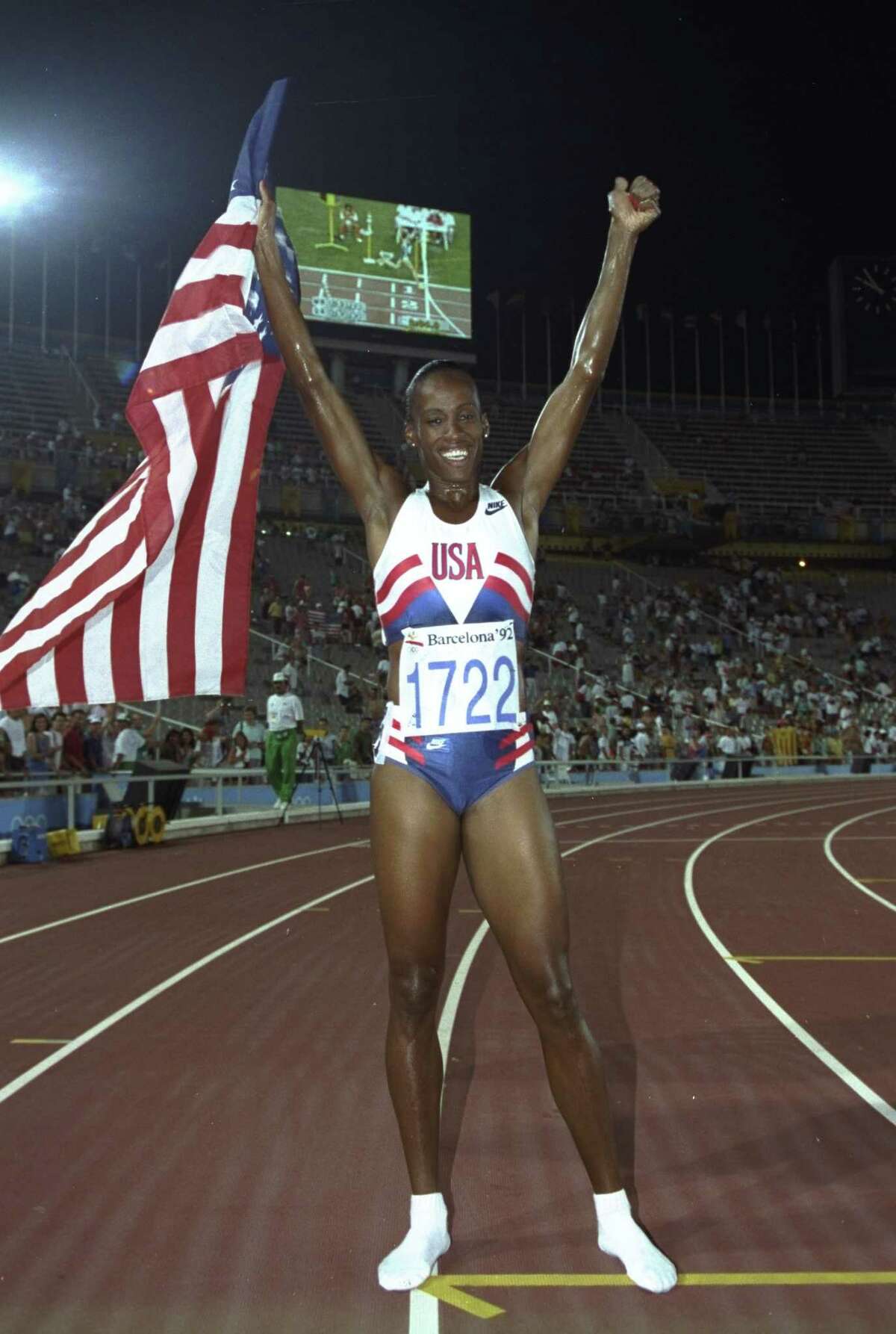
During the long jump event at the 1991 World Championships, having already won with a 7.32 m (24 ft 1⁄4 in) jump, Joyner-Kersee slipped on the take-off board and careened headfirst into the pit. She strained a hamstring and subsequently pulled out of the heptathlon during the 200 m at the end of the first day. In the 1992 Summer Olympics in Barcelona, Spain, Joyner-Kersee earned her second Olympic gold medal in the heptathlon. She also won the bronze medal in the long jump which was won by her friend Heike Drechsler of Germany. At the Olympic Trials, Joyner-Kersee sustained an injury to her right hamstring. When the 1996 Summer Olympics in Atlanta began, Joyner-Kersee was not fully recovered by the time the heptathlon started. After running the first event, the 100 m hurdles, she withdrew due to pain. She was able to recover to compete in the long jump; her final jump of 7.00 m (22 ft 11+1⁄2 in) was vaulted into the bronze medal position. In 1996 Joyner-Kersee signed to play pro basketball for the Richmond Rage of the fledgling American Basketball League. She appeared in 17 games, with a high of 15 points scored. There was the historic April 14, 1998 meeting about race nad sports being nationally televised on a ESPN Town Hall Meeting on Race and Sports that was held in Houston, Texas. It wasa live 90 minute forum. Jackie Joyner-Kersee and Jim Brown spoke at the meeting. It wasa necessary, spirited debate over corporate economic responsibility and racial unity. Jim Brown criticized major athletic corporations. He said that companies like Nike heavily benefited from Black athletes without giving enough back. He said that African American athletes should pool their financial resources to invest directly back into the black communities and collectively purchase professional sports franchises. Jackie Joyner-Kersee had a rebutall to strongly defend corporate programs. She said that corporate sponsorship provided critical funding and resources to help underprivileged youth nationwide. She rejected the idea that black athletes should feel an automatic structural oboljiated to spend or pool their money ina specific way. She said that "That's why we live in America because we have choices). The historic town hall was moderated by ESPN's Bob Ley aimed to address minority hiring, racial stereotypes, and commercialism in sports. It featured other prominent people like Georgetown basketball coach John Thompason and NFL coach Dennis Green. The question is that who was right? The answer to that question is more nuisance. Jim Brown was right to say that black athletes have a moral obligation to help our their communities, but far too often, Jim Brown had contradictions. Jim Brown said that he supported black liberation, but he publicly supported the racist Donald Trump. Jim Brown said that there must be economic development in the black community, but we all know that black capitalism benefits no one in the black communities except the upper middle class and the rich of the black communities. Jim Brown even didn't agree with Colin Kaepernick or other NFL players protesting racism and police brutality by knelling. So, Jim Brown was right to advocate for black liberation, but I don't agree with some of his conservative methods in getting that goal accomplishment. Jackie Joyner-Kersee is right that many corporations are helping the poor in America, including poor black people. Kersee is in error to assume that this is the end all be all. Corporations and foundations aren't infallible. You need revolutionary solutions to solve these problems too (like a radical redistribution of economic and political power as the late Dr. Martin Luther King Jr. has advocated). You still need cultural solidarity in the black community. For example, Jewish people, Latino people, Irish people, Greek people, Asian people, Indian people, etc. have their own institutions that they own and control. No one complains when they do it. Black people desiring to form our own power bases or institutions legitimately are criticized by the establishment unjustly. Since 1998, Jackie Joyner Kersee and the late Jim Brown have worked constantly to advocate and fight for racial justice, an end to police brutality, and community development. So, both black people believe in the same goal but different approaches in reaching that same goal of complete black freedom.
Returning to track, Joyner-Kersee won the heptathlon at the 1998 Goodwill Games, scoring 6,502 points. Two years after retiring, Joyner-Kersee tried to qualify for the long jump event at the 2000 Olympics in Sydney, Australia. She placed sixth in the trials at 21–10 ¾, and did not make the Olympic team.
Social Activism
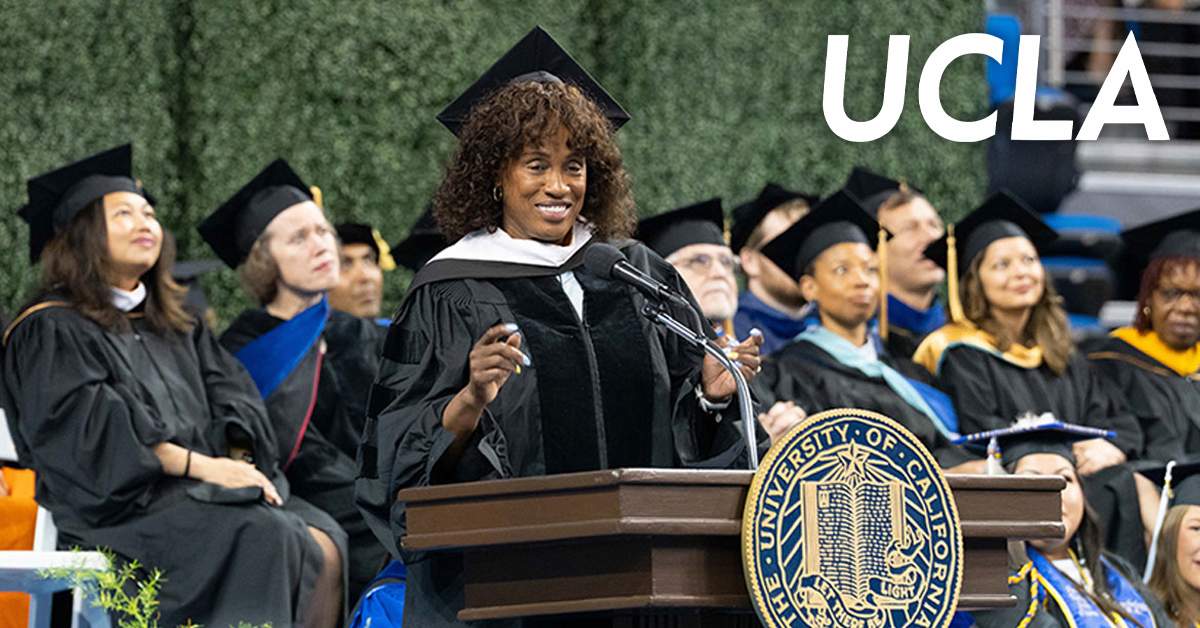
Jackie Joyner Kersee has been a social activist for decades. The Jackie Joyner-Kersee Foundation was created in 1988 in her hometown of East St. Louis, Illinois, to empower the youth and families. The JJK Center is a multi-purpose facility that was created by her to provide safe spaces, after-school programming, athletics, and academic support. She has promoted K-12 development, youth entrepreneurship, and JJK Food, Agriculture, and Nutrition Innovation Center (JJK FAN) to address food access. She partnered with many technology initiatives like Comcast's Internet Essentials to bring high-speed internet to low-income families to promote children's education and digital equity. She has spoken out in favor of civil rights, racial equality, and systemic reform. Jackie Joyner-Kersee promoted Title IX and equal opportunities, funding, and facility access for women athletes. She had severe asthma back then, and she actively campaigns for health education and youth wellness.
Since 1981, the Jesse Owens Award has been given by USATF (and before its renaming, TAC) to the United States' track and field athlete of the year. In 1996, the award was split to be given to the top athlete of each gender. In 2005, Jackie Joyner-Kersee was inducted as a Laureate of The Lincoln Academy of Illinois and awarded the Order of Lincoln (the State's highest honor) by the Governor of Illinois in the area of Sports. In 2010, she was a NCAA Silver Anniversary Awards honoree. In 2011, she received the Dick Enberg Award, College Sports Information Director of America (CoSIDA). By 2021, she received the Webster University Doctor of Humane Letters. In 2013, the female award was renamed the Jackie Joyner-Kersee Award. In March 2023, she was inducted into the International Sports Hall of Fame.

Modern Times
We have a great future in track and field. The torch has been passed to many track and field athletes like Melissa Jefferson-Wooden. At the age of 25 years old. She has won gold in many World Championships and one Olympic gold medal in the 4 x 100m women's relay race. In 2026, Jefferson-Wooden created for her one of the greatest years of her career. Jefferson-Wooden opened her season on June 4, when she was second to Julien Alfred in 22.17 seconds in the women's 200 meters at the 2026 Diamond League event in Rome. On June 7, in the Diamond League, Jefferson-Wooden won over 100 meters in 10.84 seconds (+0.8), at the Bauhausgalan in Stockholm, her fastest season opener over the distance. On July 4, she won the 100 meters at the Prefontaine Classic, winning in a photo finish ahead of Sha'Carri Richardson and Adaejah Hodge in 10.78 seconds (+0.0). Choosing to only compete in the 200 meters at the U.S. Outdoor Championships in a season without USA team trials, she won the title in 21.69 seconds ahead of Cambrea Sturgis and Camryn Dickson. On August 23, she won over 100 meters equaling her season’s best time of 10.78 seconds (0.6m/s) to win ahead of Alfred and Richardson in the Diamond League at the 2026 Kamila Skolimowska Memorial in Silesia, Poland. On August 27, she ran 10.70 seconds but was edged out in a photo-finish by Alfred in the 100 meters at the Weltklasse Zürich, her first defeat over 100 meters since the 2024 Olympic final after a run of 11 consecutive victories at the distance. On September 12, Jefferson-Wooden won the 100 meters ahead of Alfred at the inaugural World Ultimate Championship in Budapest, running a season's best 10.62 seconds. The following day, she returned to complete the sprint double by winning the 200 meters final, with her time of 21.47 seconds making her the third-fastest woman on the all-time list. Following the race, Jefferson-Wooden expressed shock at her time, stating, "I was thinking 21.6 low, 21.5. I skipped all over 21.5 and went 21.4. I mean I'll take it!" Other track and field athletes great in 2026 like Julien Aflred, Noah Lyles, Keely Hogkinson, Josh Kerr, Kenneth Bednarek, Busang Collen Kebinatshipi, and Masai Russell (who won many races in the 100m hurdles throughout 2026). Mondo Duplantis, Carmryn Roger, Valarie Sion, Chase Jackson, Kristjan Ceh, Andy Diaz Hernandez, Rumesh Tharanga Pathirage, Gabby Thomas, Audrey Werro, Alison Dos Santos, Shericka Jackson, and others of other track and field athletes prove once again that the younger generation is growing track and field into another level as we near the half century mark of the 21st century.


Mentoring Modern Athletes
Jackie Joyner Kersee was a great mentor to many athletes. She has mentored the modern-day heptathlete Anna Hall. She calls and texts her with advice, encouragement, and technical mindset tips. Anna Hall was born in the Mountain West in Denver, Colorado on March 23, 2001. She is now 25 years old. She has done the heptathlon, the pentathlon, the 400m, the 400m hurdles, the 800m and the high jump. She was involved in the Florida Gators and the Georgia Bulldogs. She wo++rked hard to win bronze in the heptathlon at the 2022 World Championships in Eugene, Oregon, silver in the same sport in the 2023 World Championships in Budapest, and in the same event at the 2025 Tokyo World Championships with winning gold. She won silver in the World Indoor Championships in the pentathlon in 2026 at Torun, Poland. She earned a Bachelor of Arts degree in business administration in December 2023. Anna Hall is married to New York Giants player Darius Slayton since April 11, 2026. Sydney McLaughlin-Levrone was coached by the husband of Jackie Joyner-Kersee, Bob Kersee. The torch has been passed from Jackie Joyner-Kersee to many younger Americans and people of many other nationalities to bring the sport of track and field into the 21st century and beyond.

Conclusion
We should always respect the icons. Icons exist in athletics, politics, religious circles, STEM experts, education, legal spheres, and other aspects of human life. Jackie Joyner Kersee is a modern day icon for many reasons. She was born in the Midwest in East St. Louis, Illinois to reject negative influences to be a role model for millions of people worldwide. She is one of the greatest track and field athletes of all time earning gold medals in the Olympic Games, the World Championships, The Goodwill Games, and the Pan American Games. She excelled especially in the long jump and the heptathlon. Joyner-Kersee love to compete against some of the greatest track and field athletes in the world. Also, she was one of the greatest philanthropists of our generation. She has always encouraged racial equality and women's rights. Her Jackie Joyner-Kersee Foundation encourages the youth of East St. Louis, Illnois to greatly be involved in academics and athletics. Athletics builds on teamwork, improves the human body, and deals with establishing great social connections among human beings. Academics helps people to achieve their dreams intellectually, emotionally, and socially. She loves to help her community, because she embraces the responsibility of adhering to the Golden Rule. She once served on the board of directors for USA Track and Field, the national governing body of the sport. Also, she has inspired modern day track and field legends too. These human beings are Anna Hall, Allyson Felix, and Dawn Harper Nelson. We know that Dawn Harper Nelson is an Olympic gold and silver medalist in the 100m hurdles, and she also grew up in East St. Louis. She considers Joyner-Kersee as a guiding big sister. Allyson Felix is the msot decorated American track and field athlete in history. She openly credited Joyner-Kersee as a core mentor and friend who guided her during her career. We know that Anna Hall is an expert heptathlete and multi-event world champion who has called Joyner-Kersee her active mentor dealing with phone calls of encouragement, direct support, etc. Jackie Joyner-Kersee has been the personification of greateness for decades, and that greatness also means her helping others in their lives' journeys as well.
By Timothy

No comments:
Post a Comment