
Professional Wrestling
Of all of these decades of my life, I never written anything in-depth about professional wrestling. I wrote about basketball, football, track and field, volleyball, soccer, hockey, and the Olympics before. Today, I love to deal with new challenges, and this issue should be discussed for many reasons. One reason is that millions of people globally are fans of professional wrestling from America, Europe, Africa, Asia, Australia, Oceania, South America, Canada, etc. Also, I like to write about the diverse cultures of humanity. Professional wrestling relates to a form of theater and entertainment that requires skill, charisma, athleticism, and mock combat. It's an art that many people sacrificed their lives for. Cable channels like A&E, Vice, etc. have done incredible, groundbreaking work in documenting the complex nature (including the highs and lows) of professional wrestling spanning decades. I will write about the elephant in the room too. That is that much of the history of professional wrestling deals with a network of mostly white people for decades (let's keep it real), some people in the industry are racists and sexists (not all), and the culture of professional wrestling can be emotionally straining (as these wrestlers work year round across the world with little time for rest or visiting families and loved ones). There are past legends and modern-day legends in professional wrestling like Macho Man, Ricky Steamboat, Stone Cold Steve Austin, Ming, The Undertaker, The Rock, John Cena, the Steiner Brothers, etc. You have to be emotionally strong to deal with professional wrestling, and many professional wrestlers are real life wrestlers, athletes, and experts in martial arts and mixed martial arts. For example, we know that Bianca Belair had done track and field and basketball, Jade Cargill played basketball in Florida, Lola Vice was involved in Bellator as an MMA fighter, we know that Blackman is a trained martial artist, and we know that Kurt Angle and Brock Lesnar are legitimate wrestling championships. In professional wrestling, there are storylines, gimmicks, babyface, heels, kayfabe, and other terminology. In our time, more people understand many of the unsung wrestlers from back in the day and today. Professional wrestling is a scripted performance with predetermined winners, but the injuries wrestlers suffer are 100 percent real. You can get hurt in real life with these performances. Therefore, professional wrestling has expanded into a billion-dollar industry that has inspired crowds the world over.

Rules
There are many rules in professional wrestling. Professional wrestlers nominally compete under rules promulgated by wrestling promotions. However, the rules are not legitimate standards for sporting activity, instead serving as a basis to advance plotlines, similar to the artificial constraints imposed in other fictional universes. Sociologist Thomas S. Henricks has argued the rules serve as a basis for a structuralist moral order, serving to advance plot lines involving charismatic heroes applying an instrumentally rationalist approach to social conflicts.
Professional wrestlers do not follow an industry-standard set of rules, unlike most sporting events, which generally have a governing body to regulate competitions. While each promoter can set their own standards, promoters have long understood that fans enjoy professional wrestling more when all matches appear to follow a consistent set of rules. The rules described in this section represent common standards but may not precisely align with the ruleset of any specific promotion. Matches are staged between two or more sides ("corners"). Each corner may consist of one wrestler, or a team of two or more. Most team matches are nominally governed by tag team rules. Other matches present under the premise of a free-for-alls, with multiple combatants but no teams. In all variants, there can be only one winning team or wrestler.
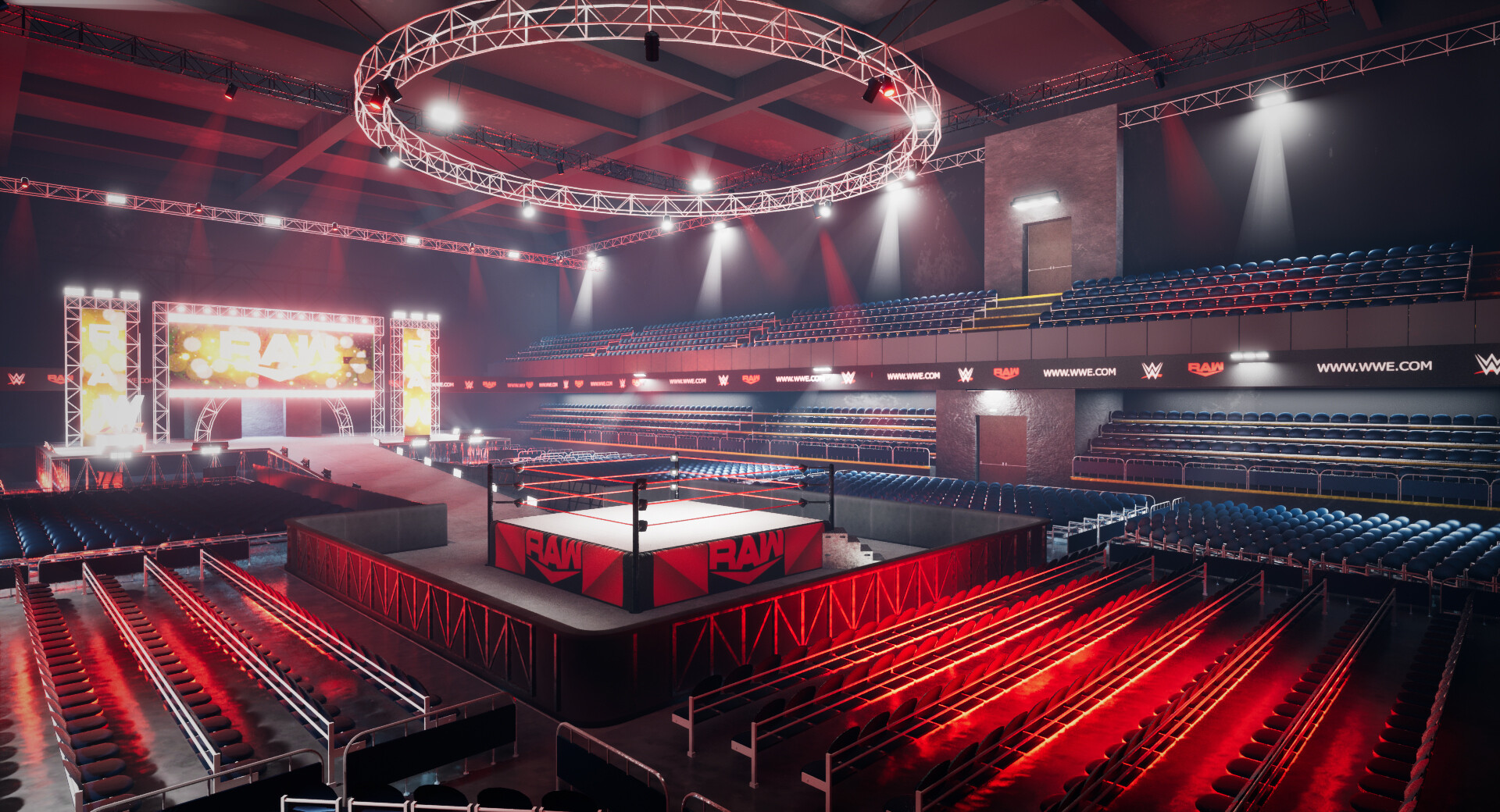
Matches generally take place within a wrestling ring, an elevated square canvas mat with posts on each corner. A cloth apron hangs over the edges of the ring. Three horizontal ropes or cables surround the ring, suspended with turnbuckles which are connected to the posts. For safety, the ropes are padded at the turnbuckles and cushioned mats surround the floor outside the ring. Guardrails or a similar barrier enclose this area from the audience. Wrestlers are generally expected to stay within the confines of the ring, though matches sometimes end up moving outside the ring, and even into the audience. The match can end in a fall by pinning the opponent for three seconds, submission, disqualification of the opponents, countout, and knocking out the opponent. Most wrestling matches last for a set number of falls. Some matches can last for 20, 30, or 60 minutes in an Iron Man Match. Referres are involved in professional wrestlign matches. The referree acts as the final abritator in the fictional rules. Special guest referres are common.Tag team matches have unique rules too. People tag to allow another part of the team to participate in the match. Disqualification can come by illegal hold or moves, deliberate injury to an opponent, outside inference, unjust striking, low blow, laying hands on the referre, pulling an opponent's mask off during the match, and other actions. There can be a draw or no contest.
Training and Qualifications
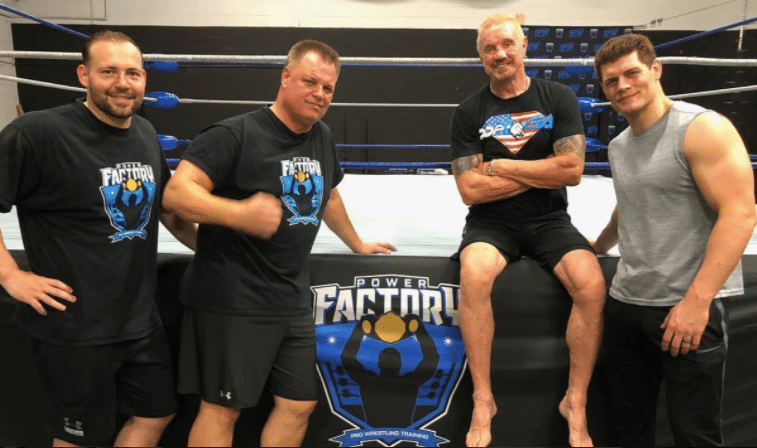
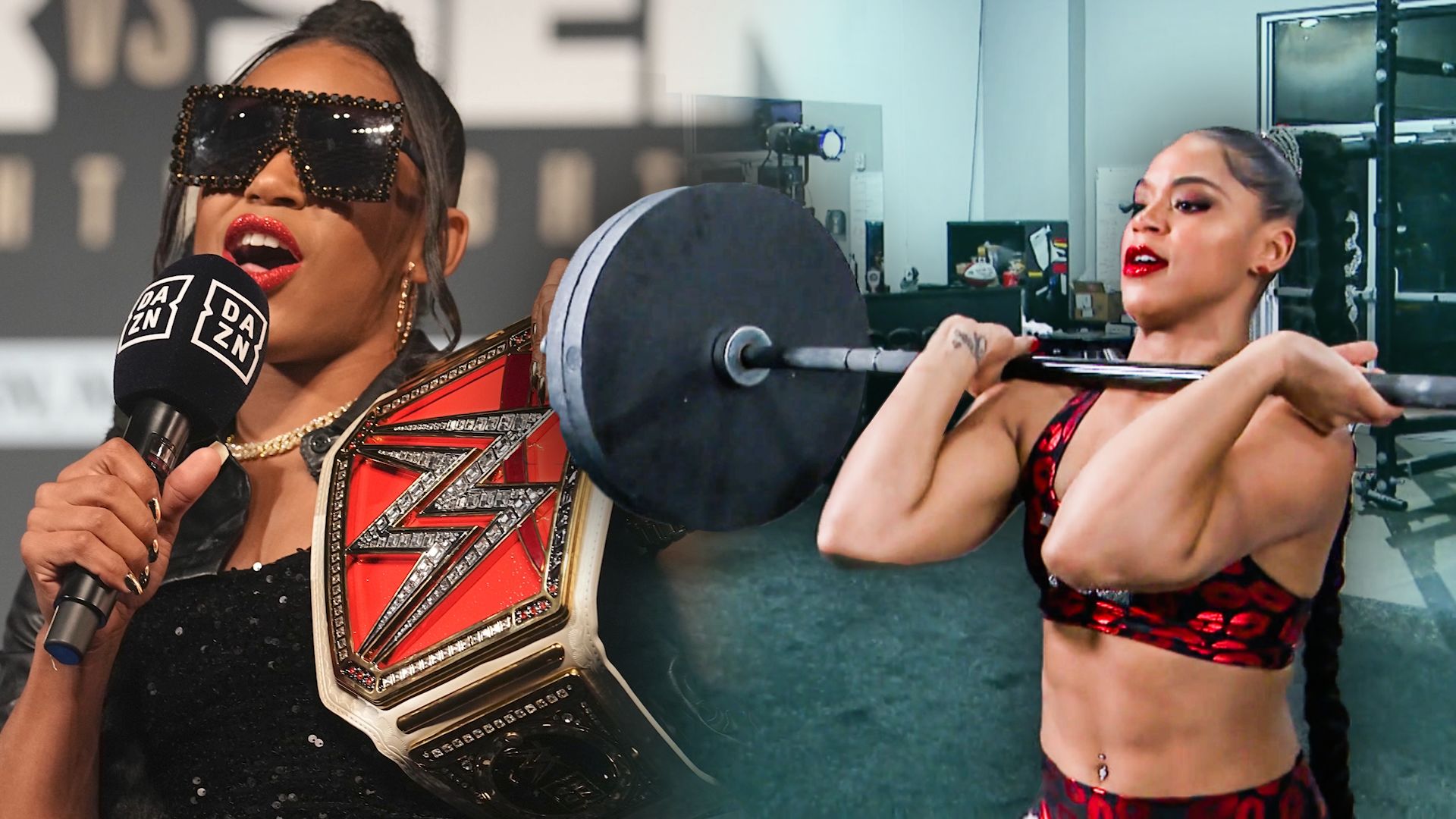
Involving professional wrestling, there is massive training and qualifications. Physical fitness is viewed as the minimum requirement for entry in the field. Most professional wrestlers have least some athletic background or training like in the past with Kurt Angle, Ron Simmons, Undertaker, Stone Cold, The Rock, and the present with Bianca Belair, Jade Cargill, Charlotte Flair, etc. Professional wrestlers have formal training in specialized professional wrestling schools or academics. These places are independent or associated with a specific promotion. No one goes into professional wrestling with a free ride. Candidates are usually trained and coached by experienced professional wrestlers. Training regiments include both athletic and performative aspects of professional wrestling like physical fitness, choreography, and dramatization. Trainees are usually pitted against each other or with their instructors in matches before small crowds to demonstrate and refine their skill in improvisation, mock combat, and stage presence. There are risk in professional wrestling too. Many people faced life changing injuries, accidents, and deaths like Owen Hart. Some strikes in wrestling are stiff, especially in Japan. Stiff means using excessive force when using a move that will cause real increased legitimate pain a professional wrestler. Professional wrestlers know of the risk. As Professional wrestler Davey Richards have said in 2015, "We train to take damage, we know we are going to take damge and we accept that."
Its History
Professional wrestling, as we know it, existed from the early 1800s in Western Europe, Britain, and Ireland. There were showmen who combined wrestling and showmanship. There were wrestlers with names like Heruclean Flower, Edward, the bone wrecker, etc. By 1830, French showman, Jean Exbroyat formed the first modern wrestlers' circus troupe and established a rule not to execute holds below the waist — a style he named "flat hand wrestling." This new style soon spread to the rest of Europe, the Austro-Hungarian Empire, Italy, Denmark and Russia under the names of Greco-Roman wrestling, Classic wrestling or French wrestling. By the end of the 19th century, this modern "Greco-Roman" wrestling style went on to become the most fashionable sport in Europe, and in 1898 the Frenchman Paul Pons, "the Colossus" became the first Professional World Champion.
The modern style of professional wrestling, popularized by the United States and United Kingdom during the late 19th century, is called the catch-as-catch can style. Originally thought of as unorthodox and more lax in style, catch wrestling differs from Greco-Roman in its allowed grapples; Greco-Roman strictly prohibits grabbing below the waist, while catch wrestling allows holds above and below the waist, including leg grips. Both catch wrestling and Greco-Roman were popular, and fully competitive, amateur and professional sports. But, from the late 19th century onwards, a sub-section of catch wrestling changed slowly into the choreographed sport entertainment now known as "professional wrestling", recognized as much for its theatrical antics and entertainment as wrestling ability. By the early 20th century, many professional wrestlers promoted a variety act to the public. Some were involved in bodybuilder strongman events. There were various American and European professional title holders like the American Heavyweight Champion Tom Jenkins and the Greco-Roman title Georg Hackenschmidt. The World Heavyweight Wrestling Championship was the first recognized professional wrestling world heavyweight championship created in 1905 to identify the best catch wrestler in the world. It was also the first wrestling championship known to have a physical representation of the belt. Russian-born George Hackenschmidt won the inaugural championship defeating American-born Tom Jenkins in New York City. America's professional wrestling popularity declined from 1915 to 1920 because of World War I and people's questioning the legitimacy and status as a competitive sport. Therefore, professional wrestlers used tag team wrestling, new wrestlers existed (like Ed Lewis, Billy Sandow, and Toots Mondt), and wreslters formed angles and feuds. By this time, professional wrestling spread into Australia, Japan, Mexico, and all over the world. Established names such as Lou Thesz, Dr. Jerry Graham and Gorgeous George toured Australia by the 1950s. Many of the greatest professional wrestlers were involved in Japanese wrestling leagues like Dory Funk, Jr., Terry Funk, and Harley Race, all of whom wrestled for Baba in Japan. Some Japanese wrestling league used actual combat acts in their performances. Rikidōzan was a huge star in Japan in the 1950s, and he is commonly credited with bringing professional wrestling to Japan.
In the early 20th century, professional wrestling was mostly a regional phenomenon in Mexico until Salvador Lutteroth founded the Empresa Mexicana de Lucha Libre ("Mexican Wrestling Enterprise") in 1933, giving the sport a national foothold for the first time. In 1948, wrestling reached new heights after a loose confederation was formed between independent wrestling companies. This was known as the National Wrestling Alliance (NWA). In the late 1940s to 1950s, the NWA chose Lou Thesz to unify the various world championships into a single "World Heavyweight" title. Thesz's task was not easy, as some promoters, reluctant to lose face, went so far as to shoot title matches to keep their own champions popular with the fans.
Following the advent of television, professional wrestling matches began to be aired nationally during the 1950s, reaching a larger fanbase than ever before. This was a time of enormous growth for professional wrestling, as rising demand and national expansion made it a much more popular and lucrative form of entertainment than in the prior decades. This was called a "Golden Age" for the wrestling industry. It was also a time of great change in both the character and professionalism of wrestlers as a result of the appeal of television. Wrestling fit naturally with television because it was easy to understand, had drama, comedy and colorful characters, and was inexpensive to produce. From 1948 to 1955, each of the three major television networks broadcast wrestling shows; the largest supporter being the DuMont Television Network.
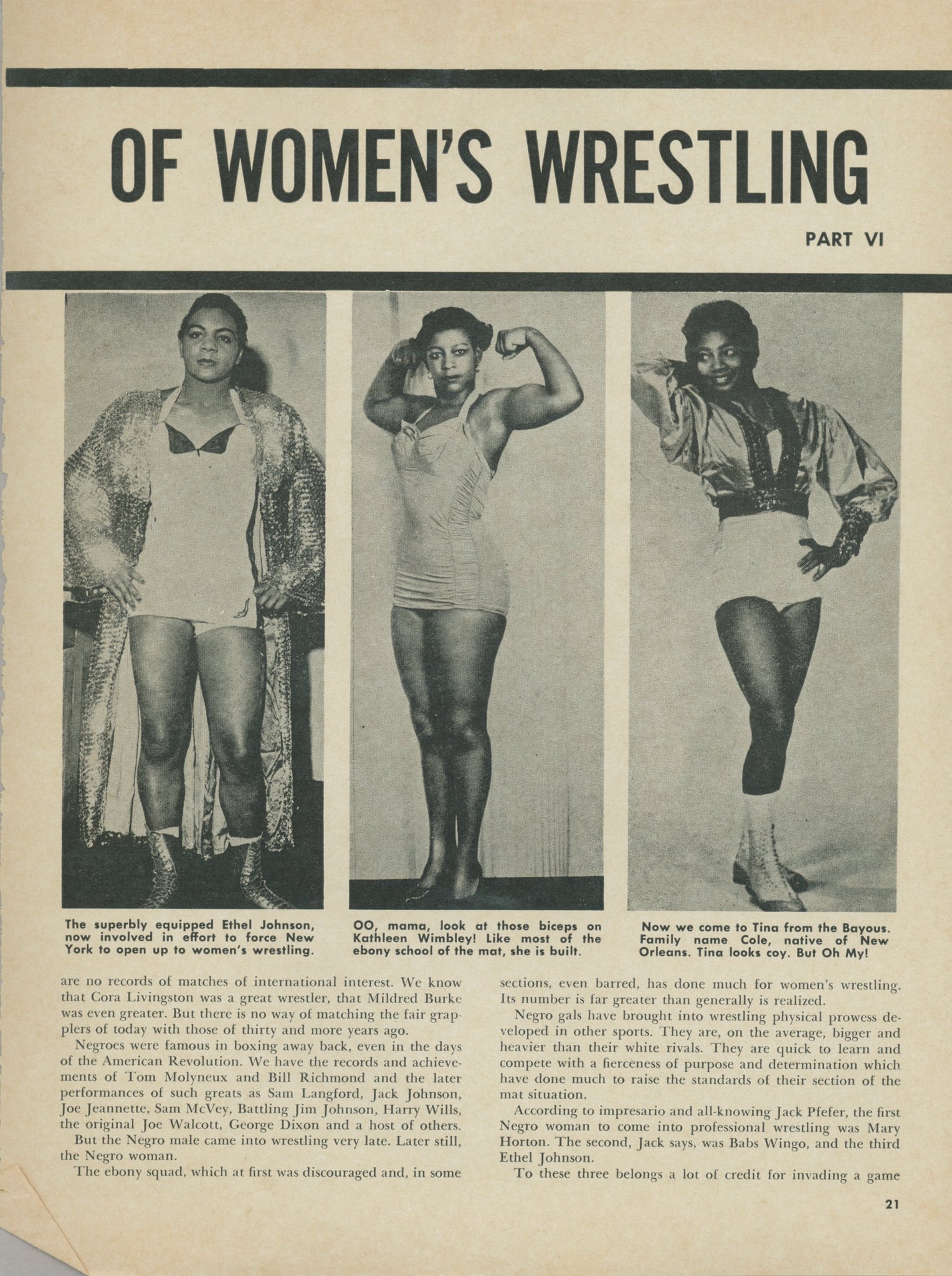
The famous wrestlers of the 1950s were George Wagner, Lou Thesz, Buddy Rogers, Killer Kowalski, Verne George, and Japanese superstar Rikidozan. There was The Portland Wrestling League, Whipper Billy Watson, and the Fabulous Moolah. Early women wrestlers from back in the day were Mildred Burke, Mae Young, Ann LaVerne, Yulie Brynner, Gladys Gillum, Elvirus Nodgrass, and African American professional wrestlers (who are Ethel Johnson, Babs Wingo, Marva Scott, and Kathleen Wimbley). Many black wrestlers back then often competed in the Jim Crow South. They broke down barriers. Ethel Johnson performed greatly in the ring too. The Flying Wingo Sisters (of Ethel, Babs, and Marva) worked together and has a record 3,611 fans in Baltimore (in 1952), and 9,000 in Kansas City in 1954. There was Sweet Georgia Brown too. The iconic wrestlers of the 1960s were Burno Sammartino, The Original Sheik, Bearcat Wright, Gorilla Monsoon, Pat Patterson, Rocky Johnson (the father of the Rock), Rip Hawk, Harley Race, etc. There were various Territories of wrestling regions with stars too. There were the rise of the NWA and the WWWF (now it's the WWE). By the 1970s, there were Bruno too, Superstar Billy Graham (who was a predecessor of Hulk Hogan, Roman Reigns, and other professional wrestlers with a bodybuilder look), Andre the Giant, Dusty Rhodes, Terry Funk, The Fabulous Moolah, Jerry Lawler (who was in the Memphis territory), The Original Sheik, Bobo Brazil (a trailblazing African American wrestler), Pat Patterson, the Won Erich family, and Rocky Johnson (a NWA superstar). By the 1980s, there were tons of legends like Ric Flair, Roddy Piper, Macho Man, Andre the Giant, Hogan, Jacke Roberts, Ted DiBiase, The Ultimate Warrior, Jimmy Snukka, Ricky Steamboat, the Hart Foundation, the British Bulldogs, Bobby Hennan, and Miss Elizabeth. The 1980s saw professional wrestling reach more into television and the MTV Generation.
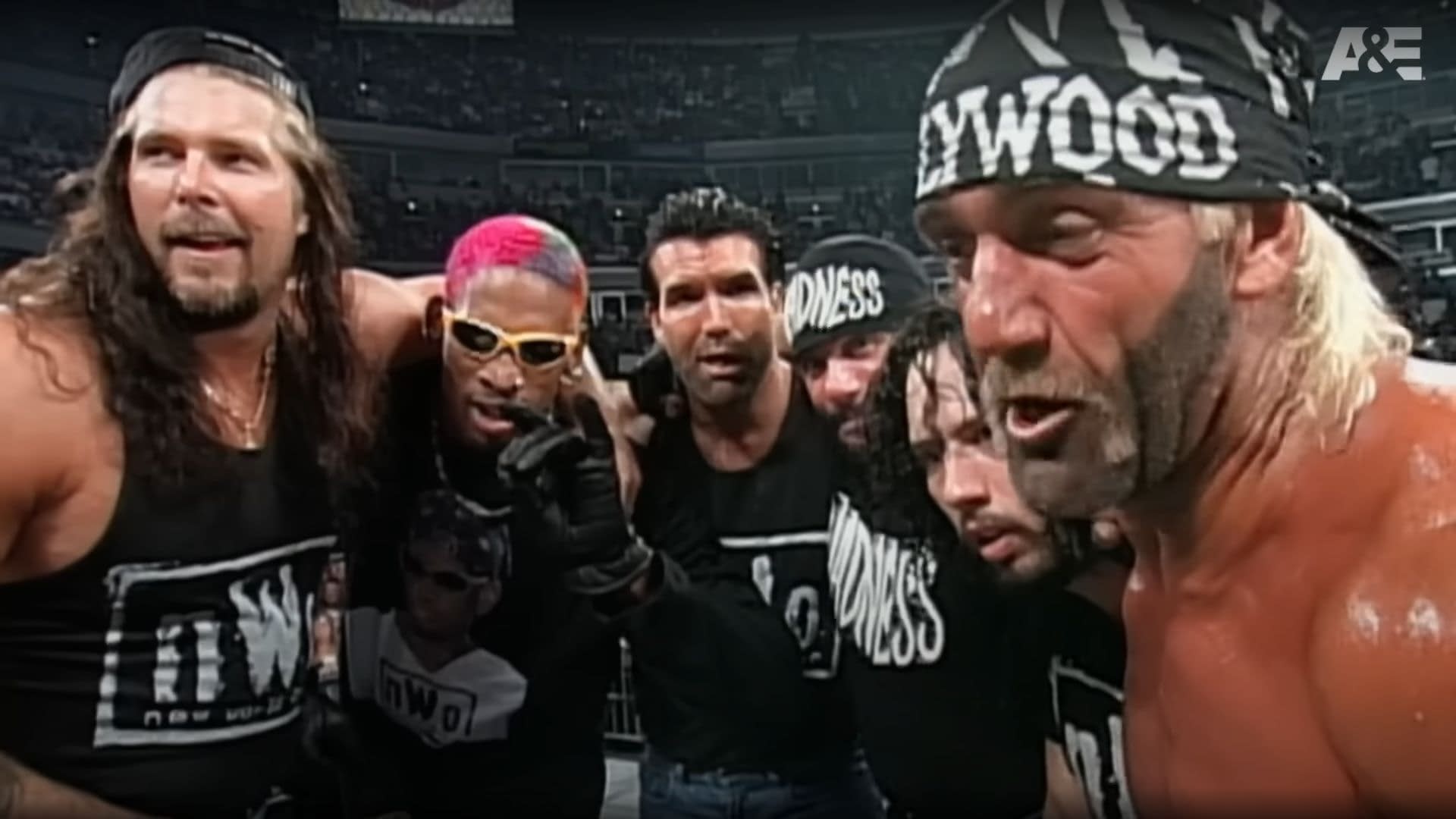
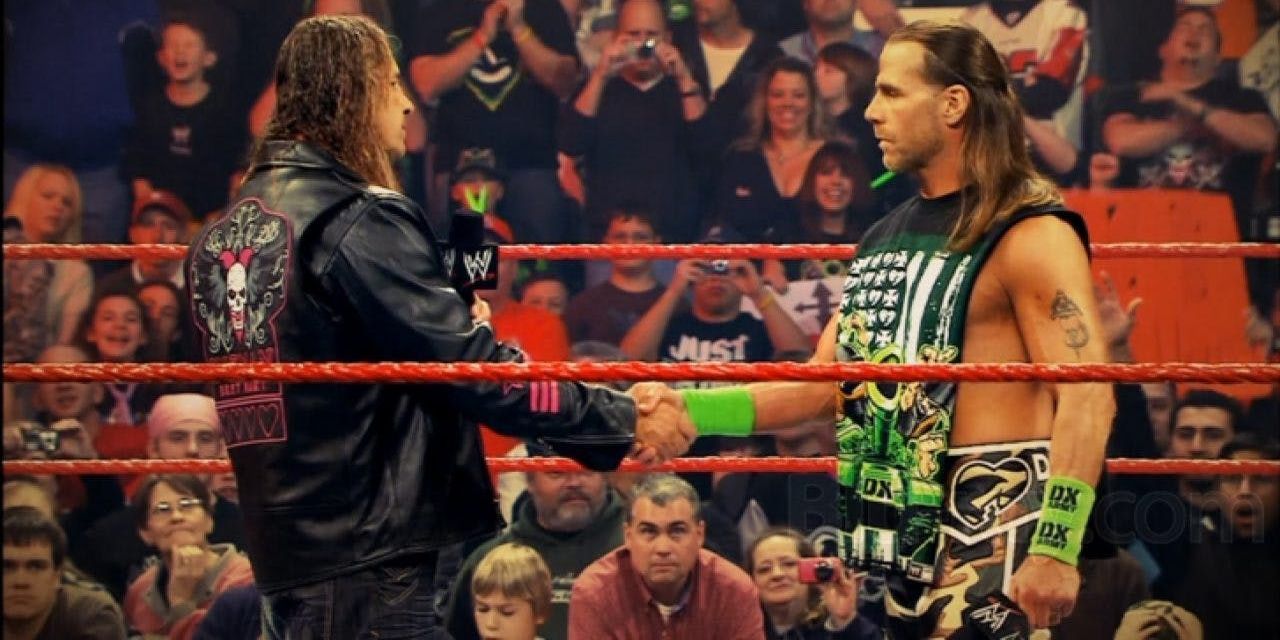
In the 1990s, there were Stone Cold Steve Austin, the Undertaker, The Rock, Bret Hart, Goldbert, Mankind, Triple H, Sean Michaels, Kevin Nash, Randy Savage, Sid Vicious, Owen Hart, DDP, Chyna (who broke barriers for women in wrestling), Jacqueline, The Legion of Doom, Booker T, and tons of wrestlers. This time saw WCW and WWE competing against each other with the WCW winning for a time until 1998 when the WWE brought Mike Tyson to referee Stone Cold Steve Austin and Sean Michaels. The NWO was formed in the 1990s being the biggest heel turn in wrestling history filled with Hollywood Hulk Hogan, Kevin Nash, and Scott Hall. D-Generation X was formed too with Sean Michaels, Triple H, Chyna, X-Pac, New Age Outlawz, and others. This time saw the Attitude Era when more sex, violence, and controversial themes were shown on professional wrestling television. The Attitude Era started from November 1997 to May 2002. Yet, the transition started by late 1996 when Stone Cold Steve Austin gave his Austin 3:16 promo after the King of the Ring in 1996. Later, Brian Pillman's shown a gun on a TV show which was taboo back in those days. The Hart Foundation was created which opposed the flamboyant Sean Michaels. By 1997, Bret Hart, Stone Cold Steve Austin, and Sean Michaels competed for the top spot in the WWE. Bret Hart and Shawn Michaels personally hated each other giving overt shoots in WWE shows constantly. D-Generation X was born on August 11, 1997, that had Chyna, Shawn Michaels, Triple H, and other to show edgy commentaries and actions. Stone Cold was an anti-hero favorite giving a stunner to McMahon on Raw on September 22, 1997. The November 9, 1997, Survivor Series Montreal Screwjob changed professional wrestling forever. Bret Hart accused McMahon and Sean Michaels of messing around with the match to benefit Vince and the Kliq. After the match, Hart punched Vince McMahon in real life and McMahon did nothing about it possibly because of guilt. Bret Hart has always been well respected because of his honesty about life. By March 29, 1998, Stone Cold beat Shawn Michaels for the WWE Championship causing the Stone Cold era to be official at WrestleMania XIV. By early 1999, the Rock rose up to be on the top level. Smackdown by 1999 to the early 2000s was The Rock's show. Other stars of that time were Mankind, The Undertaker, Sable, Kane, X-Pac, Road Dogg, Billy Gunn, Chris Jericho, Owen Hart, The Godfather, and the NWO. I watched ECW during the late 1990s and early 2000s too.
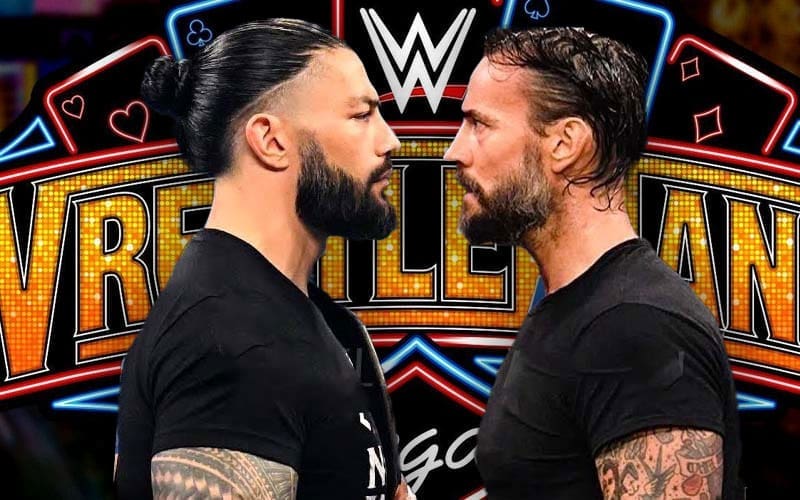
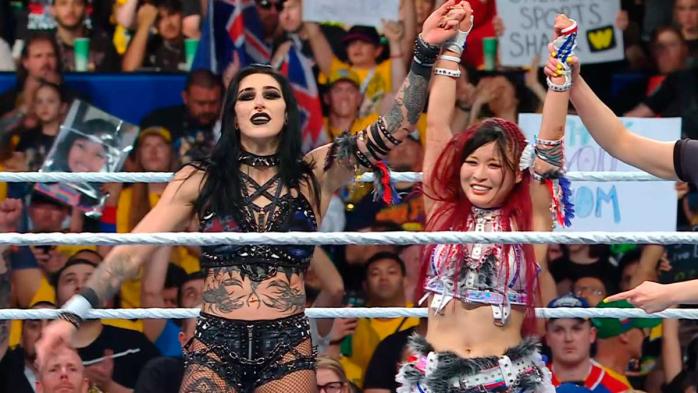
By the 2000s, it was the Ruthless Aggression Era with John Cena, Brock Lesnar, The Rock, Triple H, The Undertaker, Lita, Edge, Randy Orton, Kurt Angel, Rey Mysterio, Eddie Guerrero, Chris Jericho, Jeff Hardy, RVD, Sabu, Booker T, JBL, Umaga, Chris Benoit, Bryan, Dean Malenko, and other people. Vince McMahon purchased WCW on March 26, 2001. This announcement was made on Raw causing the end of WCW. On April 1, 2001, there was WrestleMania X-Seven with the peak of the era when The Rock faced Stone Cold Steve Austin. The end of the match caused Austin's heel turn and allying with McMahon. On March 17, 2002, the icon vs. icon match happened when The Rock defeated Hulk Hogan in Toronto, Canada at WrestleMania X8. By May 6, 2002, there was the Ruthless Aggression era. The 2000s saw the tragic death of Eddie Guerrero and the cowardly murderer Chris Benoit killing his own wife and child. By the 2010s, a new generation of wrestlers existed like PG/Reality era of John Cena, Randy Orton, CM Punk, Daniel Bryan, The Shield, Roman Reigns, AJ Styles, Nakamura, Kevin Owens, Finn Balor, Charlotte Flair, Sasha Banks, and Becky Lynch. We have Kofi Kingson, Big E, Xavier Woods, The Wyatt Family, Brock Lesnar, The Naiz, Cesaro, Sheamus, and The Rock making a comeback. By the 2020s, there has been a mixture of a return to old school storylines with new school technology filled with Jon Moxley, Seth Rollins, Roman Reigns, CM Punk, Cody Rhodes, Rhea Ripley, Bayley, MJF, Will Ospreay, Okada, Toni Storm, Iyo Sky, El Hijo Del Vikingo, Bianca Belair, Naomi, Drew McIntyre, Jey Uso, Jade Cargill, Tiffany Stratton, and others. John Cena retired during this 2020s era too along with AJ Styles.

The Diversity of Leagues
Professional wrestling leagues are multifaceted and found in America, Europe, Africa, Mexico, Asia, etc. Each wrestling league has its own distinctive styles, training, and development systems. Many U.S. wrestling leagues overlap into Canada. One example is how so many professional wrestlers were trained in Canada constantly. There are similarities among leagues globally, like storylines, the faces, the heels, and other parts of the wrestling institution. They readily show an elementary understanding of literary verisimilitude (or trying to make a work of fiction as realistic as possible). Lucha libre is a professional wrestling culture in Mexico. In that space, high-flying moves are executed all of the time along with exceptional tag team matches. Japanese professional wrestling, or puroresu, uses psychology, and some use a mixture of real contact and a professional wrestling style. Wrestling in Europe act in cultural festivals. There are women's wrestling leagues and rare intergender matches at times. Some independent U.S. wrestling leagues have people who are more talented than members of major companies like the WWE and AEW. There is W.O.W. or The Women of Wrestling League, too (shown on VICE TV). Other professional wrestling leagues are TNA Wrestling, MLW (Major League Wrestling), NWA (National Wrestling Alliance), and the Real American Freestyle (RAF) league (which seeks to combine traditional unscripted freestyle wrestling with sports entertainment). There is the New Japan Pro-Wrestling (NJPW), Pro Wrestling Noah, Lucha Libre AAA Worldwide, Consejo Mundial de Lucha Libre (CMLLA). Combat Zone Wrestling, House of Glory, Women Superstars United, and Chaotic Wrestling are some of the many independent professional wrestling leagues that have grown in our generation.

The Culture of Professional Wrestling
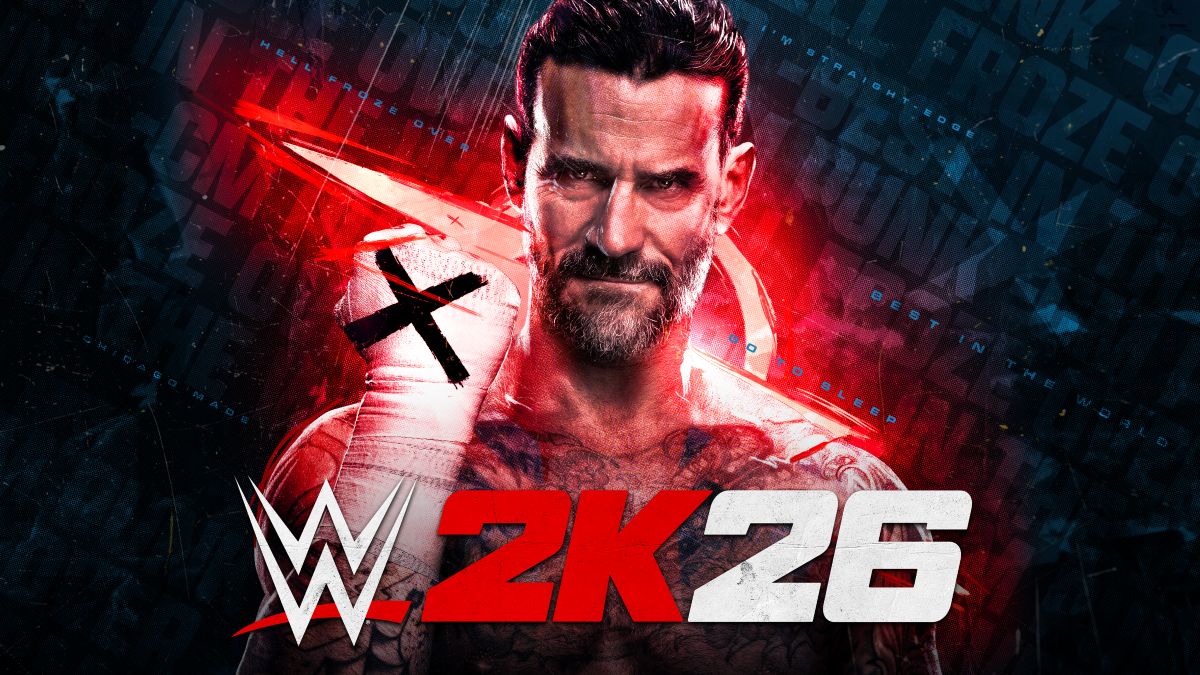
The culture of professional wrestling has been complex and diverse for years and decades. There is a brotherhood, a sisterhood, and family type of vibe involving wrestling. The reason is that wrestlers are on the road sometimes more than 300 days per year, so they do act as a family at times. They know the business inside and out, and they realize that sacrifices are made for their jobs. The professional wrestlers realize that hard work must be enacted to exist in an excellent product. Some professional wrestlers may have real life heat or real tensions in real life (i.e. Sean Michaels and Bret Hart hated each other in real life for years until just a few years ago), but the vast majority of them act as professionals. The fan experience is a major part of wrestling culture. They aren't just found in the crowds inside a stadium where wrestlers perform. Many fans visit wrestlers at meet and greet and specialized ceremonies where interactions take place (especially days before Wrestle Mania, Summer Slam, etc.). At the Pro Wrestling Hall of Fame and retirement events, fans are there too. There is no professional wrestling culture without the fans there. Merchandise is a massive part of wrestling culture as well. Video games, shirts, shoes (like the new Jade Cargill Nike shoes), jewelry, mugs, cups, DVDs, and other consumer items are bought by individuals globally. The selling of these goods helps fund companies and keeps the interests in various wrestling institutions. The professional wrestling business is a multibillion-dollar yearly industry that allows professional wrestlers (current and former ones) in movies like The Rock, Batista, Goldberg, Roddy Piper, John Cena, Hulk Hogan (I don't agree with him involving many issues. I just mention him for historical relevance), etc. Another cultural aspect of professional wrestling is travel. Traveling allows human beings to see different cultures and American wrestling leagues have visited the world from Japan to the region of Europe. Also, wrestling from Japan, Mexico, etc. has influenced modern day professional wrestling now.
Conclusion
Professional wrestling has encompassed numerous generations in American culture and global culture in indomitable ways. From selling out arenas worldwide (from MSG in NYC, Las Vegas, and to Berlin) to massive fan clubs growing, professional wrestling history has played a massive role in the development of modern-day culture. Its history has not been a crystal stair to keep it real. There are numerous true stories of sexism, bar fights, racism, deaths, steroids, nepotism (as found in the good ole boy network as accurately pointed out by icon Booker T), economic exploitation, hypocrisy, and other evils found in the professional wrestling atmosphere. Also, there has been positive news in professional wrestling over the course of 40 years. There has been an increase of black people, other people of color, poor people, and women involved in professional wrestling (with a wide array of athleticism, ring performances, charisma, communication skills, etc.) from Bianca Belair, the late Chyna, Trick Williams, Jade Cargill, Naomi, Booker T., Rhea Ripley, The Rock, Charlotte Flair, Asuka, etc. We witness tons of professional wrestlers working in legitimate philanthropy to help those in poverty, suffering illnesses, and diseases, and others suffering massive pain. They have inspired people to achieve their own measure of excellence (whether that will be STEM, education, sports, literature, fashion, entrepreneurship, and economics in general). Excellence isn't just about you. It's about much a person can give and sacrifice to assist their neighbors in their daily lives. Life is like a dream but to be taken seriously. Professional wrestlers put their lives on the line to be pioneers, athletes, performance makers, and story makers. Therefore, we will always honor great professional wrestlers who represent integrity, creativity, and the love of the art of visionary human expression.

No comments:
Post a Comment